What is Animation?
What is VFX?
What is CGI?
Animation and visual effects (VFX) play a crucial role in the world of movies, bringing captivating visuals and fantastical elements to life. From animated features to live-action blockbusters, these technologies have revolutionized the film industry, offering limitless possibilities for storytelling and visual creativity. Here is a brief overview of animation and VFX used in movies.
Animation: Animation refers to the process of creating the illusion of motion and bringing inanimate objects or characters to life through a series of sequential images or frames. It involves various techniques, including traditional hand-drawn animation, computer-generated imagery (CGI), and stop-motion animation.
Traditional Animation: Traditional animation, also known as cel animation, involves drawing each frame by hand. Artists create a sequence of images on transparent celluloid sheets, called cels, which are then photographed in succession to create the illusion of movement.
Computer-Generated Imagery (CGI): CGI has revolutionized animation by using computer software to generate images and animate them. It allows for highly realistic or stylized visuals and enables the creation of entire virtual worlds. CGI is commonly used in animated movies, where characters, environments, and special effects are generated digitally.
Stop-Motion Animation: Stop-motion animation involves manipulating physical objects or models, capturing a frame, and then slightly adjusting the objects before capturing the next frame. When played back at a rapid pace, it creates the illusion of movement. This technique is often seen in films like "Wallace and Gromit" and "The Nightmare Before Christmas."
Visual Effects (VFX): Visual effects encompass a broad range of techniques used to create or enhance imagery that cannot be captured during live-action filming. VFX seamlessly integrates computer-generated elements with live-action footage, resulting in stunning and realistic visuals.
Matte Painting: Matte painting involves creating detailed, large-scale backdrops or environments that are difficult or impossible to film. Artists paint these backgrounds digitally or traditionally, and they are then composited into live-action footage.
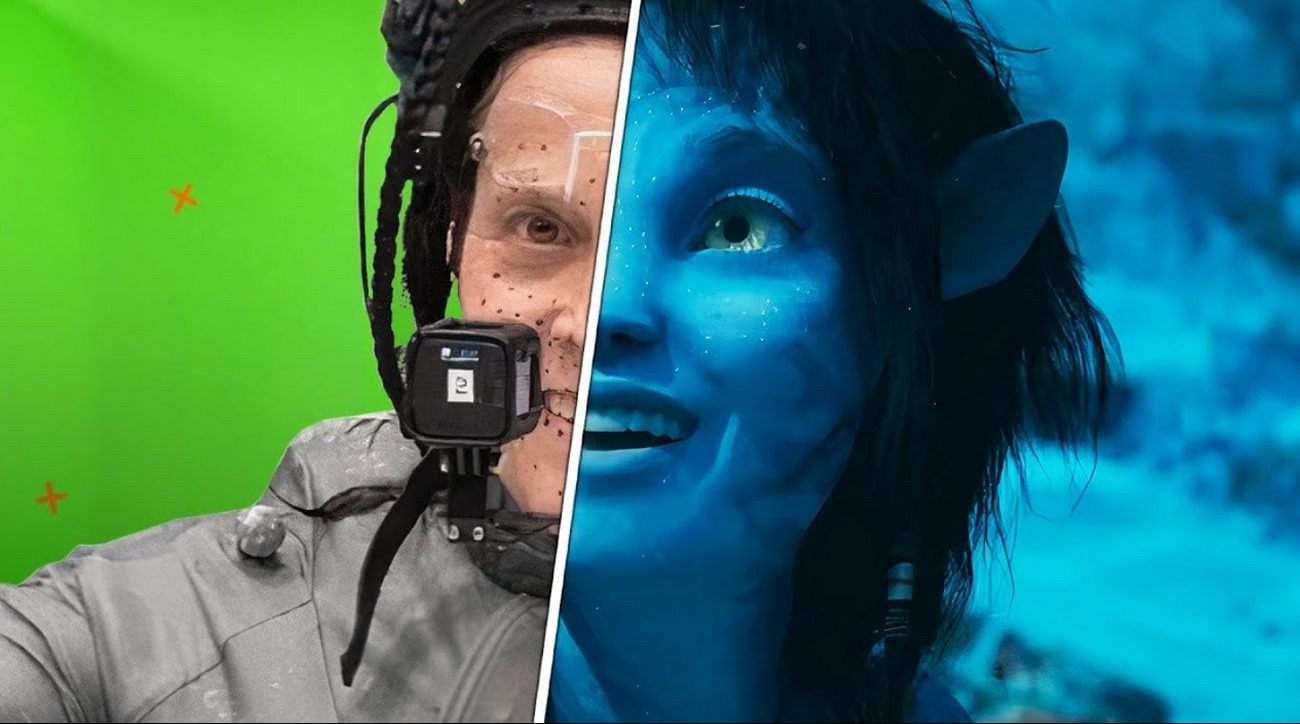
Motion Capture: Motion capture, or mocap, records the movements and expressions of actors using specialized sensors or markers placed on their bodies. This data is then used to animate digital characters, providing realistic movement and performances.
3D Modeling and Texturing: 3D modeling is the process of creating digital three-dimensional objects or characters. Texturing involves applying colors, textures, and surface details to these models. Both techniques bring lifelike or stylized digital assets into a movie, enhancing its visual appeal.
Compositing: Compositing combines multiple visual elements, such as live-action footage, CGI, and VFX, into a single shot. This process ensures that all elements appear seamless and cohesive.
Special Effects: Special effects (practical or digital) create or enhance various elements within a scene, such as explosions, fire, smoke, or supernatural phenomena. These effects can be achieved through a combination of practical techniques on set and digital manipulation in post-production.
Animation and VFX have opened up endless possibilities for filmmakers, enabling them to tell stories in imaginative and visually stunning ways. From animated masterpieces like "Toy Story" to epic blockbusters like "Avatar," these technologies continue to push the boundaries of visual storytelling, captivating audiences worldwide.